|
|

|
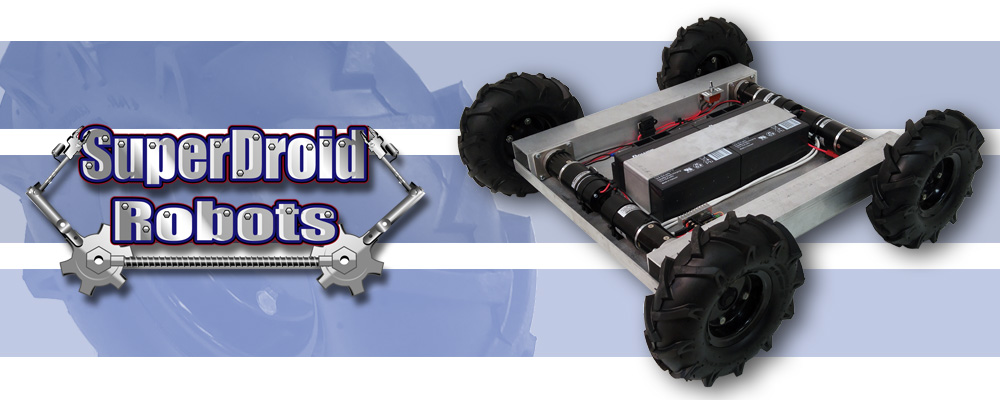
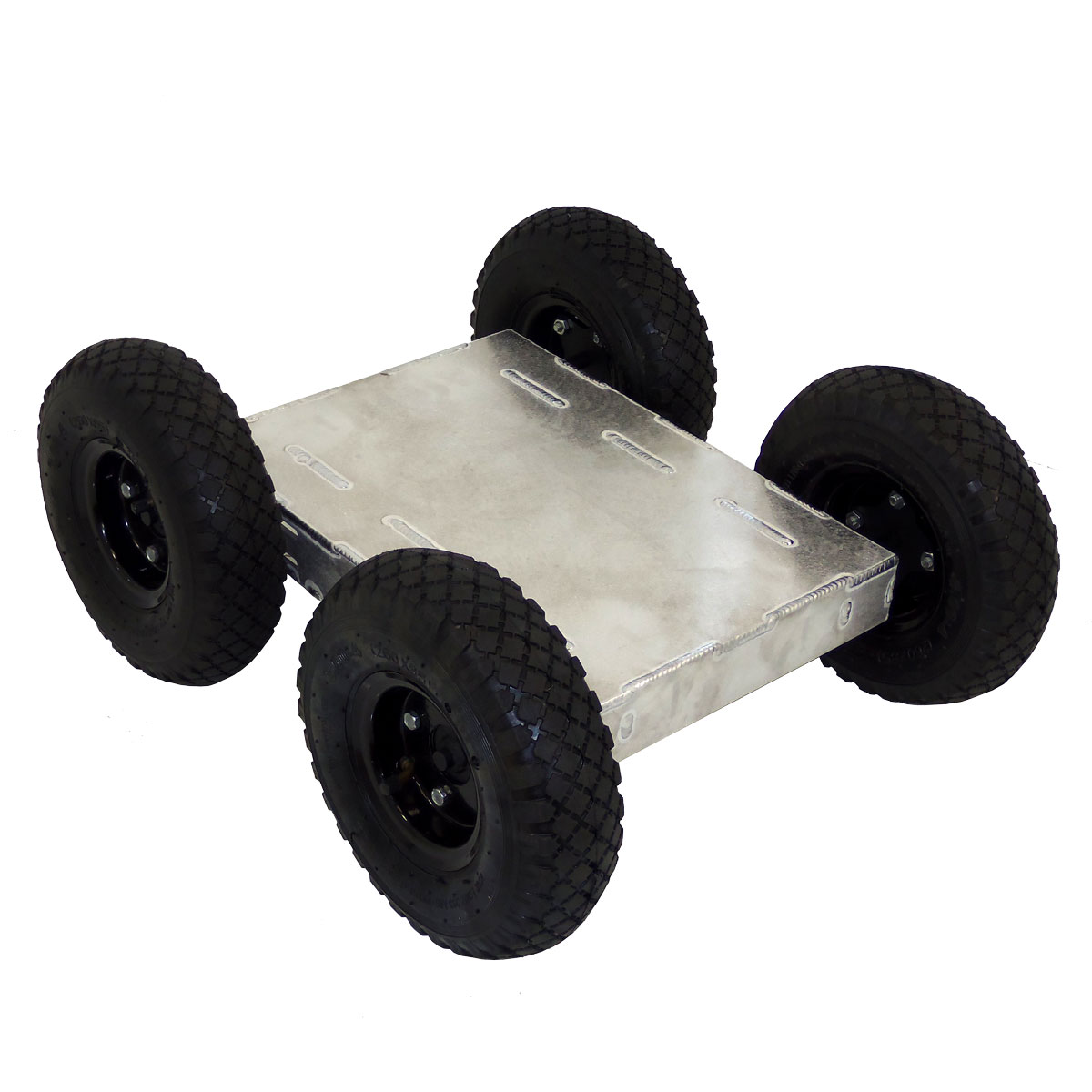
Wheeled Robot OverviewOverviewThis is a robot series that is designed to drive over just about any terrain for use with surveillance, academic research, and most practical robotic applications. It works on any indoor surface and most outdoor surfaces. Below are the links to different configurations and platforms you can select to customize the ATR to your needs. We offer three categories of ATRs: DM (Direct Mount), SB (Single Bearing), and DB (Dual Bearing). The DM ATR is direct drive with the axles mounted directly to the motor shafts so that the motor shafts support the weight of the robot. The SB ATRs are also direct drive but have one outboard bearing that supports most of the robot's weight and takes a lot of the stress off the motor shafts. The Heavy Duty ATRs are chain driven with the axles to supported by two bearings. This allows the chassis to support 100% of the robot's weight. Each wheeled robot includes IG32, IG42, or IG52 at the end of its item name. These refer to the size of the gear motors that are included in the robot kit (for example, the IG32 is a motor with a 32mm OD gearbox). For more on gear motors, visit our Gear Motors Category Page.
There are a lot of other people selling 4WD Robots. We encourage you to look closely at them and compare.
Load CapacityThis is a common question. Unfortunately, there is not a straightforward answer. Many of factors come into play when picking the right robot in terms of capacity. First off is understanding that our robots use skid steering. This means that in order to turn, the wheels must skid. So the more weight, the harder it is to turn. Pivot turns are the most difficult (one side in forward, one in reverse). Frictional force is dependent on only two things. (1) the weight and (2) the coefficient of friction. If you are driving on a slick surface such as smooth concrete, hardwood floors, linoleum floors, etc. its easier to turn than if you are driving on shag carpet, deep grass, etc. So that said, the more weight you add the more power you will need to turn. More power does not necessarily require bigger motors. You can go with smaller wheels which require less torque or slower RPM motors which have higher torque. Below is a typical current drain of a IG42 ATR robot with 122 RPM motors riding with 10" tires.
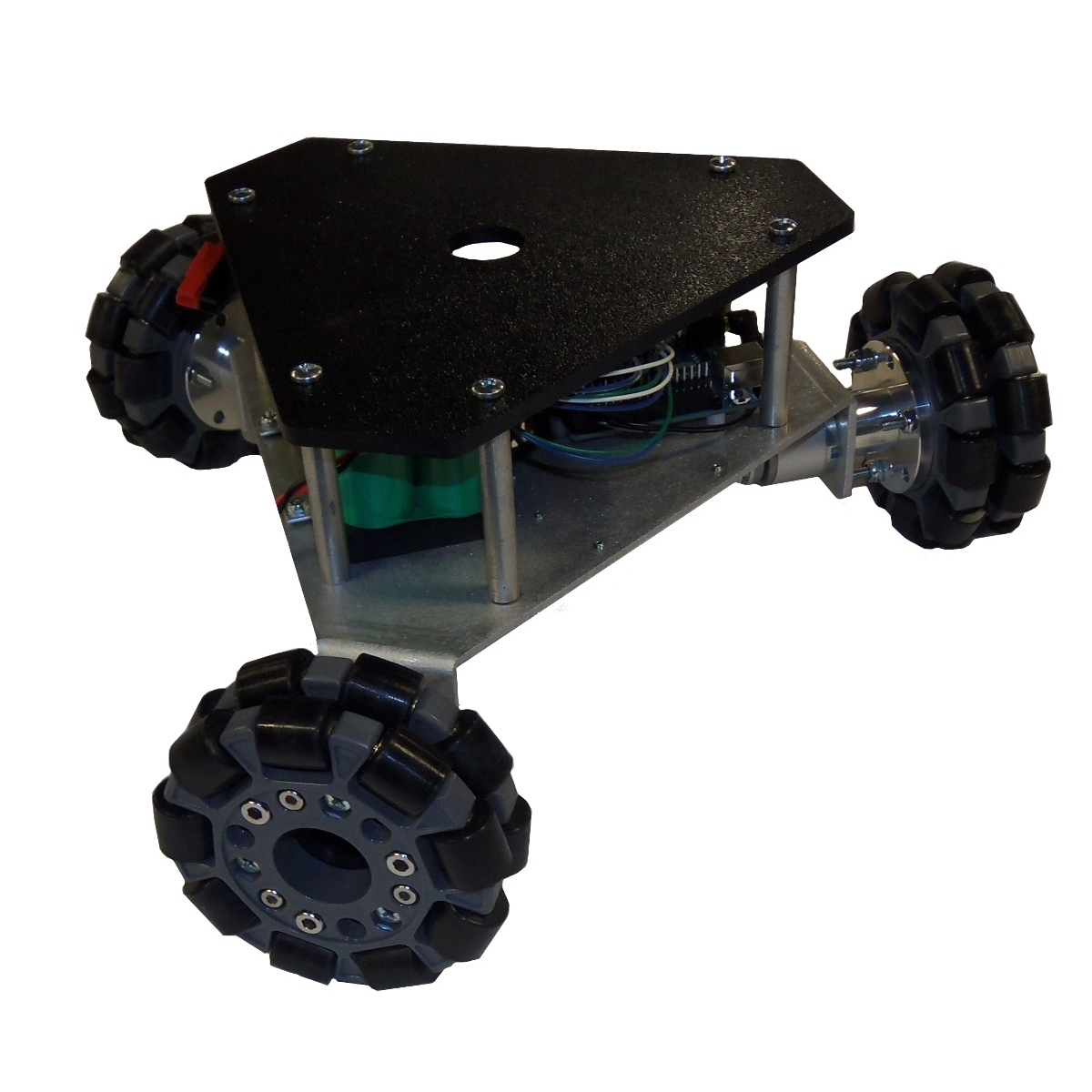
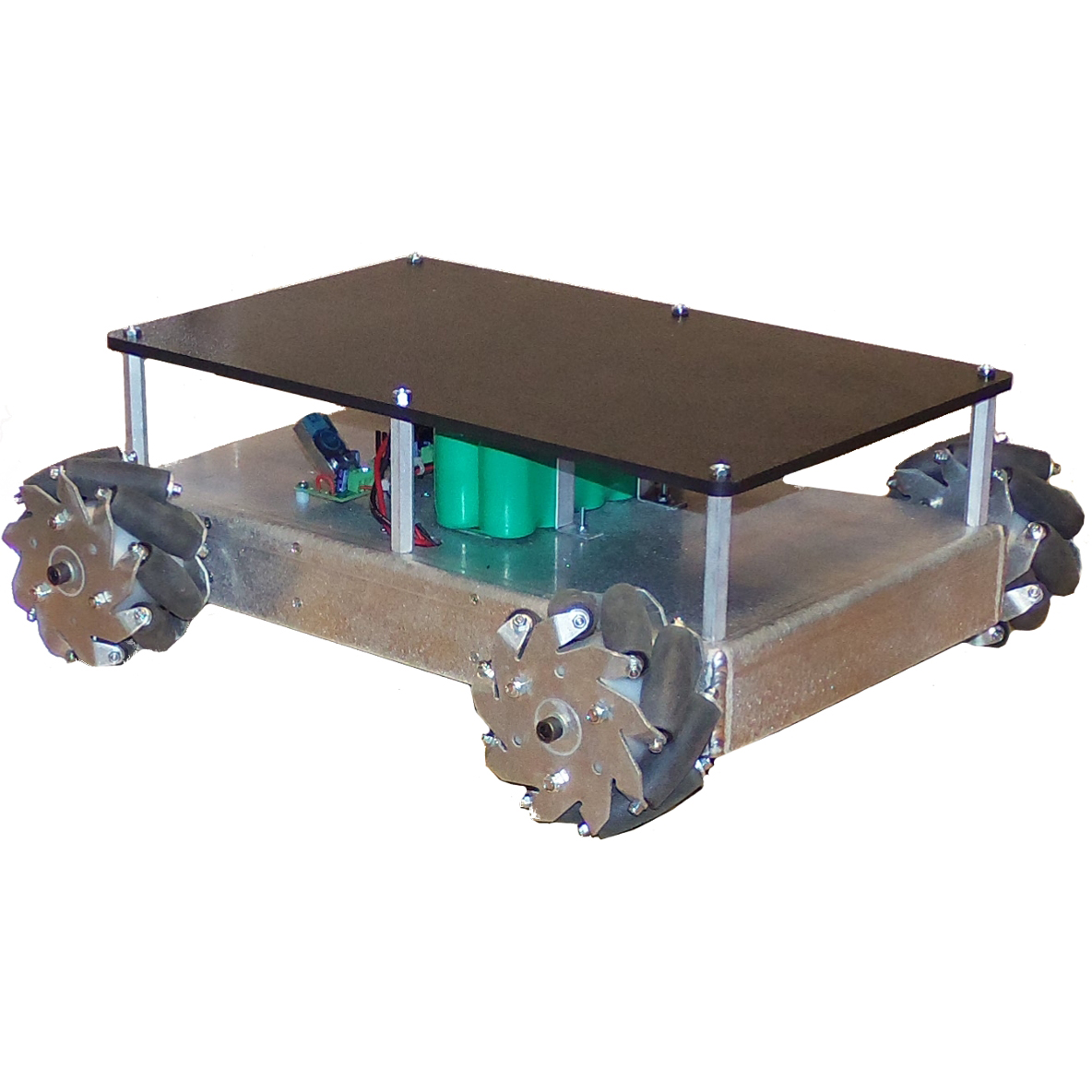
Softer tires will typically grip better increasing friction. However, softer tires will also squish down more easily and at some point they won't be able to support the weight of the robot. Our 10in. Pneumatic tires are the heaviest duty standard option. They have steel rims and steel shafts but since they are bigger in diameter, the motors need to be geared down so you will have the power to turn. For extreme duty robots we have 13 inch tiller tires (see our snowplow robot) however they are not a standard option due to their size and weight. If you would like to put these tires on an ATR please fill out our custom robot request form. For smaller robots we have 6 inch foam wheels. They are also mounted to steel rims and steel shafts. We also offer 4 inch Omni wheels which will eliminate the skidding torque issues with a pivot turn since they roll sideways. The downside is that they are only 4 inches in diameter and are not good on side slopes or in outdoor or dirty environments. Another option is our mecanum wheels, which are comprised of a series of rollers mounted so that their axis of rotation is 45 to the axis of the main wheel. These wheels allow your robot to drive forward and backward as well as vector side to side. Most of our ATR kits use a single axle that is supported with a bearing, then coupled to the gear motors. See mechanical descriptions below. The DB ATRs use a shaft that is supported with two bearings, then chain driven. Using this method removes all the dead load from weight off the motors. Another factor to consider is how the robot is going to be used with regards to duty cycle. If the robot is just going to be used for fun and controlled with a RC controller is a lot different than industrial use where the motors are run 100% duty cycle and autonomously. If running autonomously, stalling conditions must be taken into consideration. If a motor is held in a stall condition for too long the motors will burn up. If you are running a heavy duty cycle you will want the robot to be on the lighter side of its limits and use higher torque motors so they will not overheat and wear out prematurely.
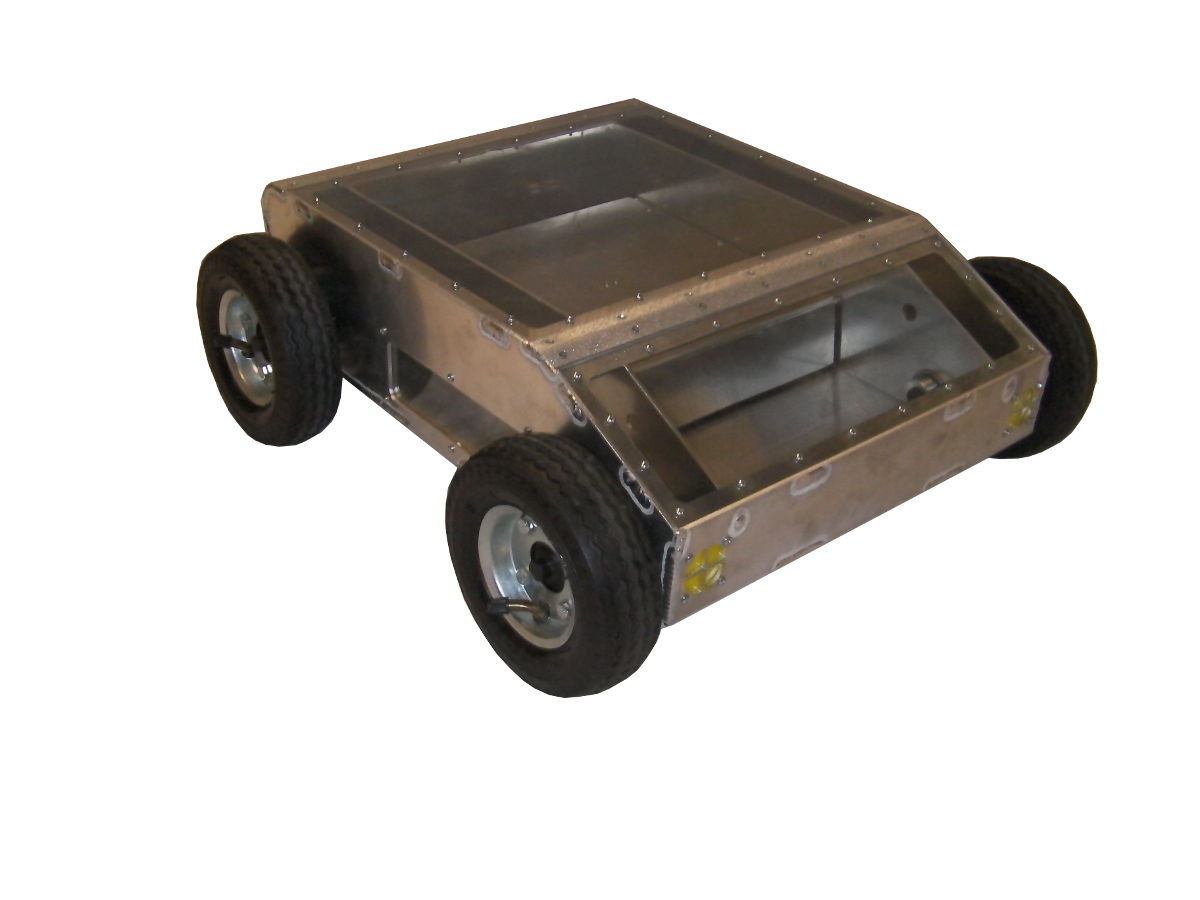
DB (Dual Bearing) and DB Enclosed Heavy Duty ATROur DB Heavy Duty and DB Heavy Duty Enclosed ATRs are our most robust wheeled robot kits. Each of the four axles are driven by a large and powerful motors to yield a very smooth and slip free mode of operation. The wheels are chain driven which allows the axles to be supported by two sealed ball bearings. The ends of the shafts are exposed allowing encoders to be easily mounted to them. The Enclosed robot can operate in all weather conditions and can be made water tight and completely immersible. Many more features are available on the item page. Follow these links for more information.
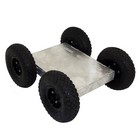


Back to Top SB (Single Bearing) and SB Enclosed ATROur SB and SB Enclosed ATRs are our medium duty platform. The wheels are directly coupled to the motors and the axles are supported by one sealed ball bearing. The Enclosed robot can operate in all weather conditions and can be made water tight and completely immersible. Many more features are available on the item page. Follow the links below for more information.
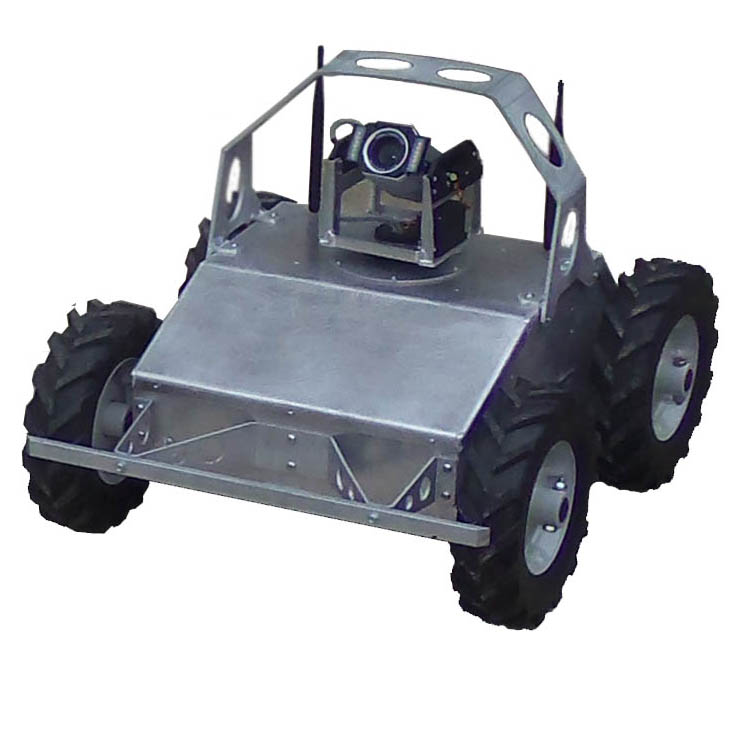 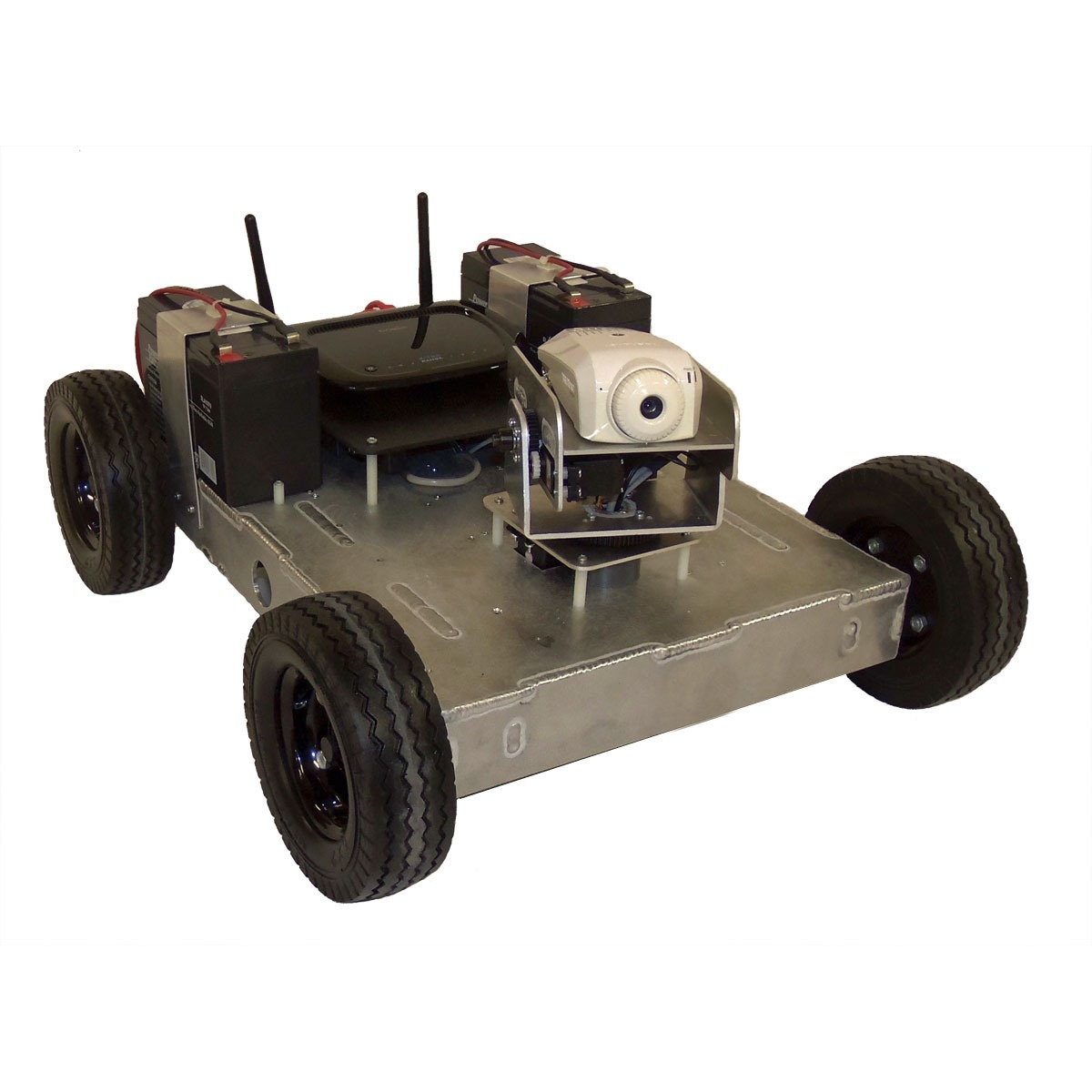  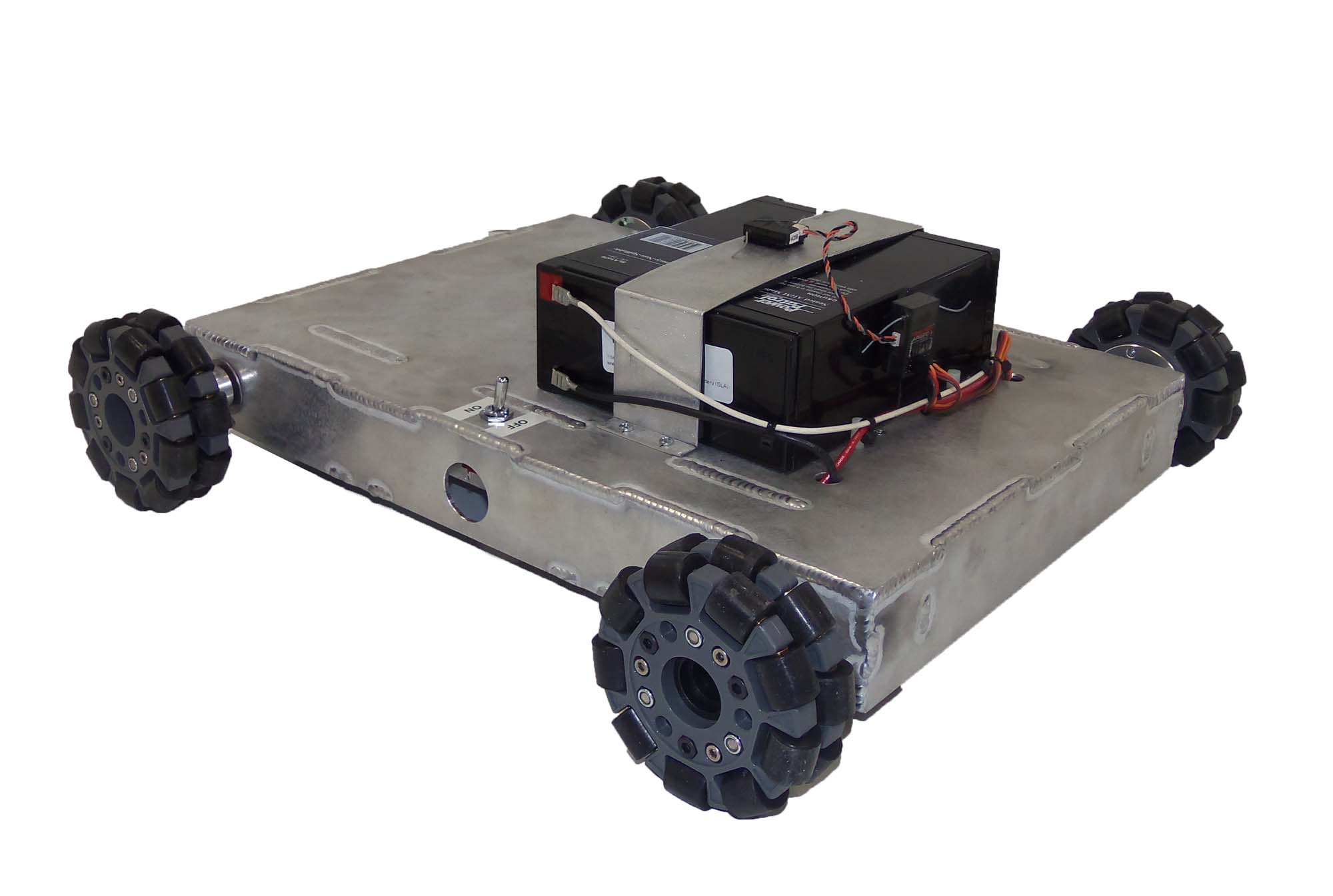 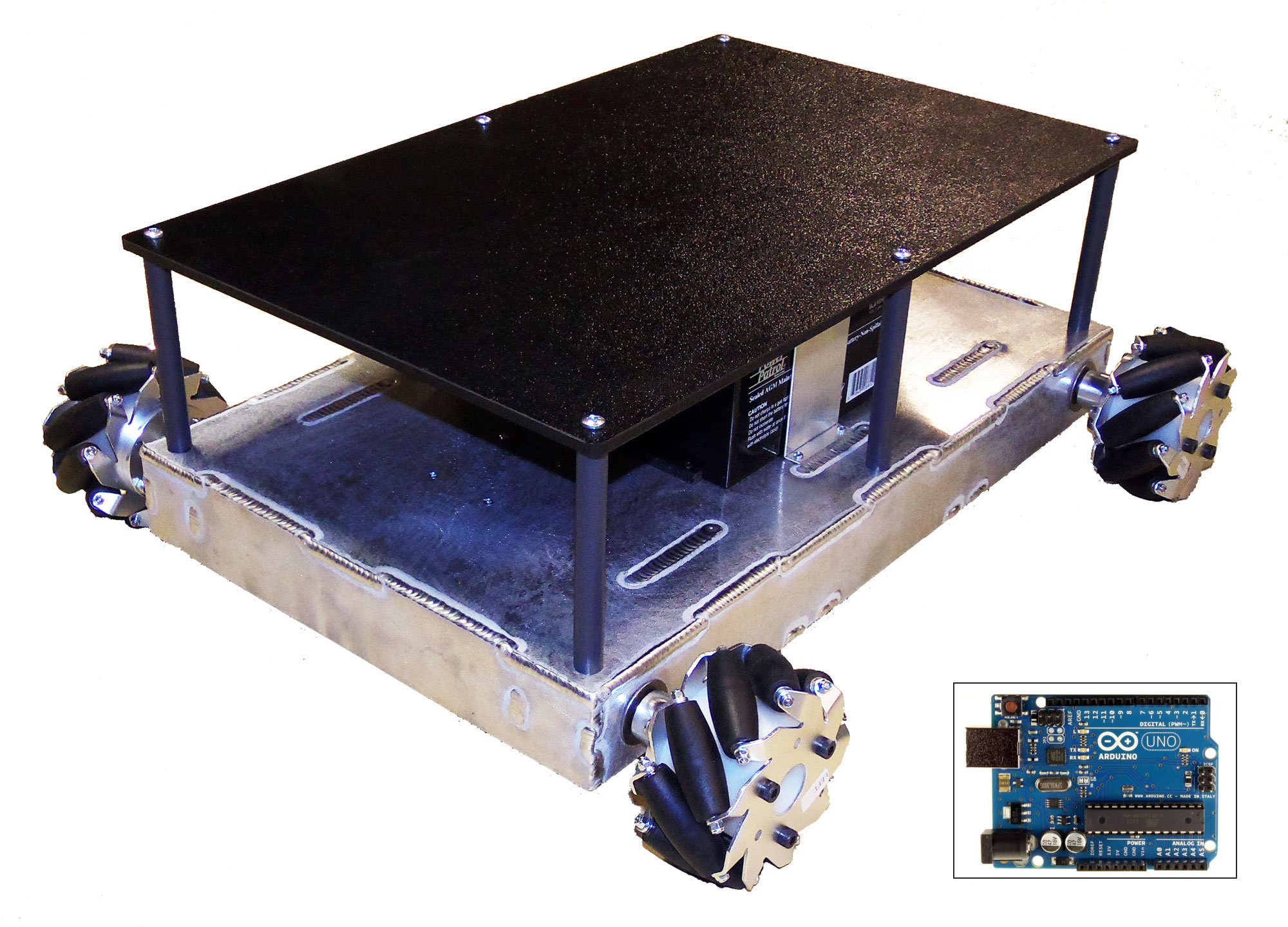 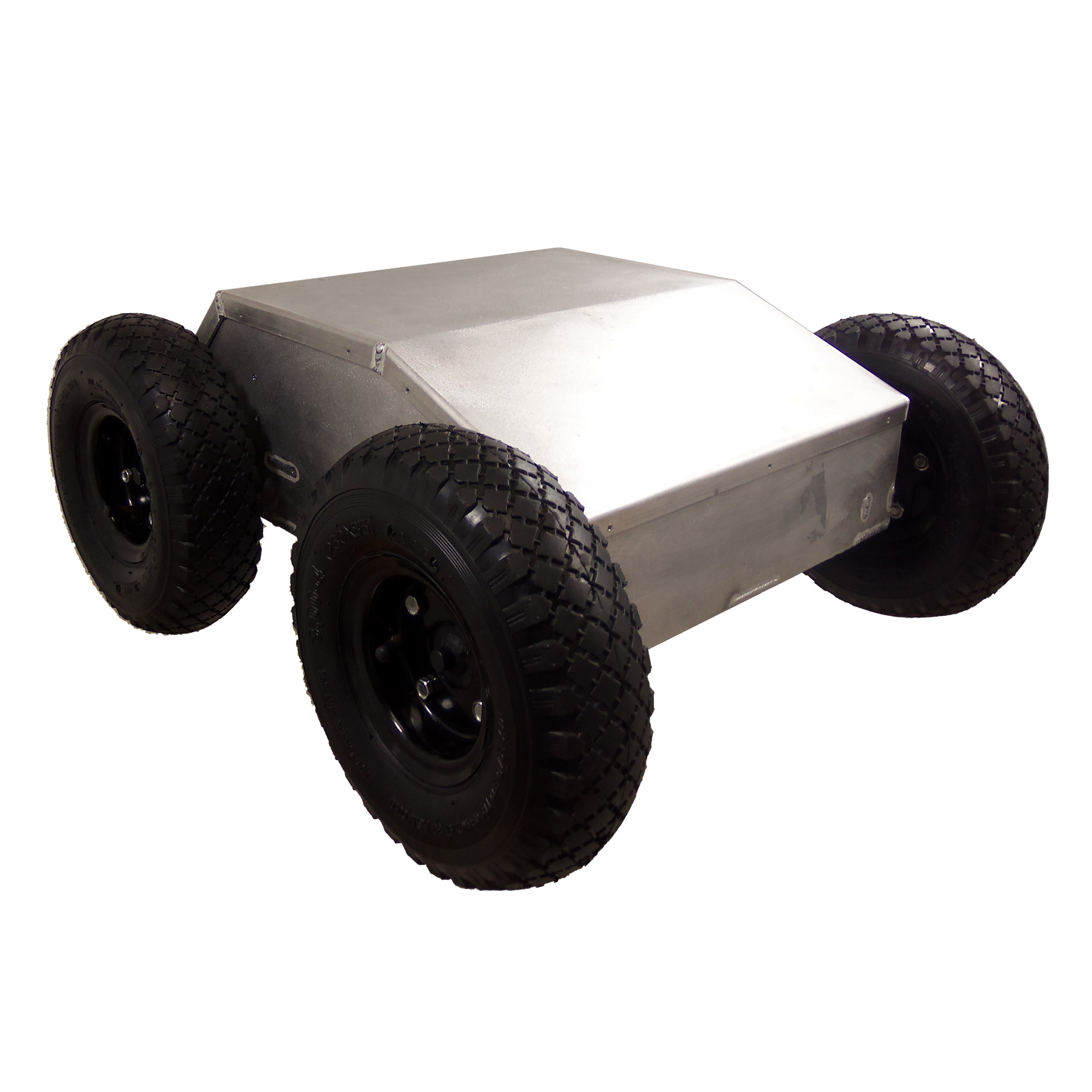 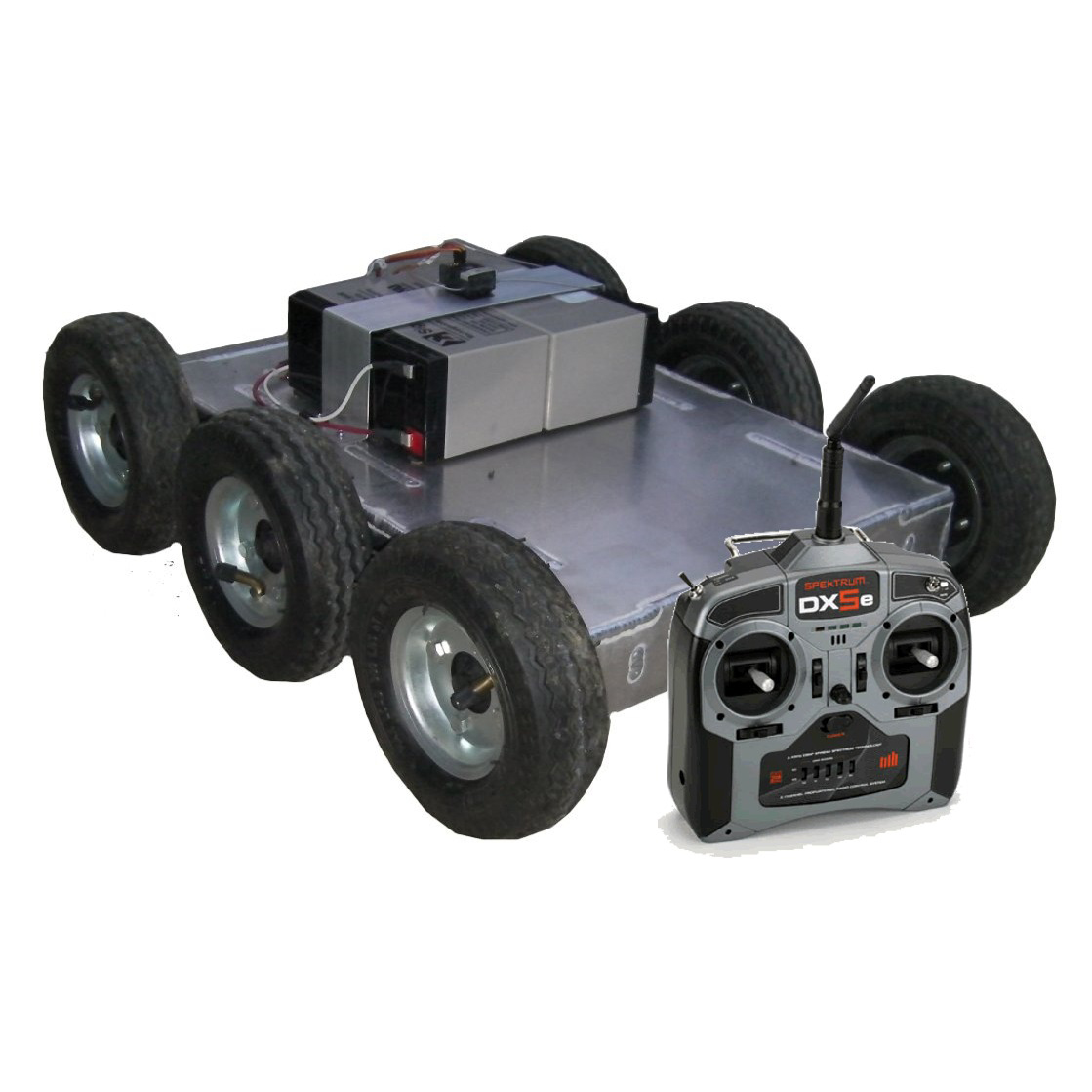
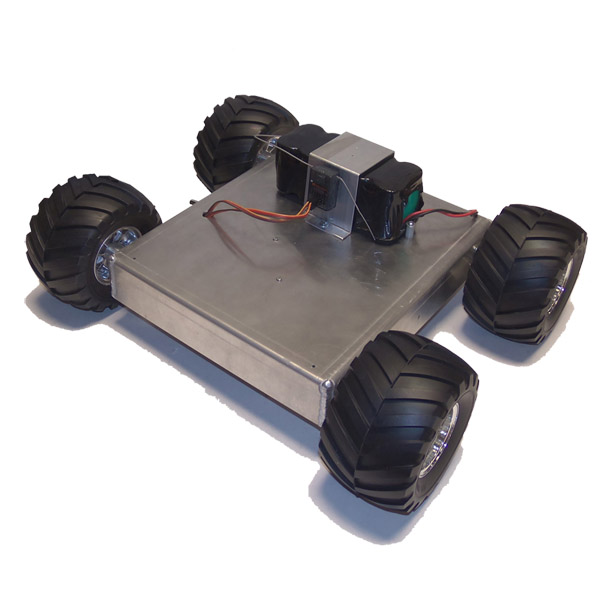
DM (Direct Mount) ATRThese are our DM ATR that are smaller and more economical robots. Like the SB ATRs, these are also direct drive but the axles are directly mounted to the motors meaning that the motor shafts support the weight of the robot.. Use these robots for navigating tight spaces where the power and size of a larger ATR is not needed. Follow these links for more information about the Compact ATR. ATR Equipment and PartsWe also offer many accessories for our ATR Robots. Some of these include a bumper that can be mounted on the front and rear of the robot and an upper deck which allows more space for mounting sensors and other components. See the links below for further descriptions of these items.
The above descriptions lead you to the mechanical assembly of the ATR Robots, but in order to make the robot run, you need to hook up the electrical power and controls. See these support topics below for more help. Sections on this page:
Related Support Pages:
Related Categories: 

|
|
|
|||||||||||||||||||||||||||||||||||||||||||||||||||||
Robots, Parts, & Custom Solutions




##GOOGLEPLUS##
##PINTEREST##