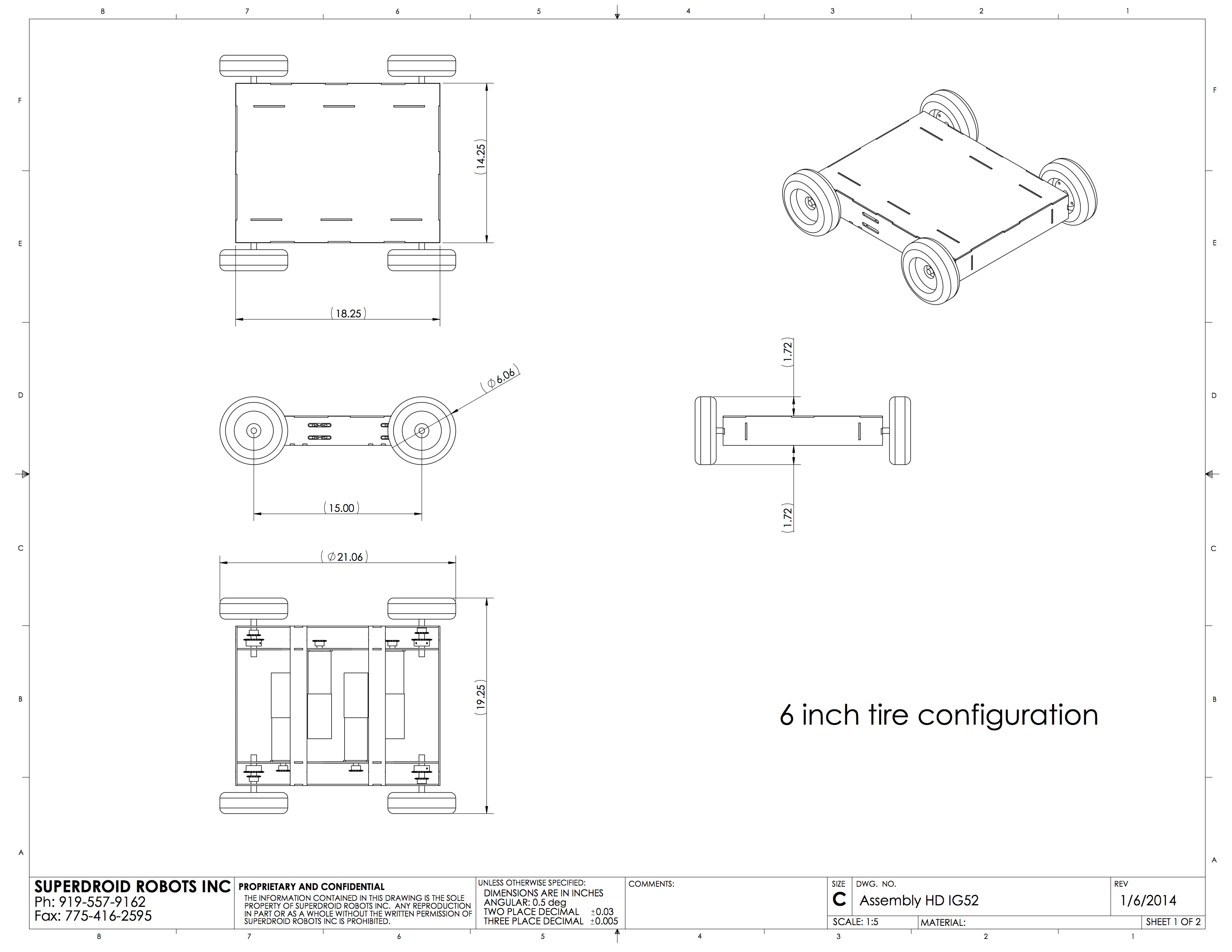
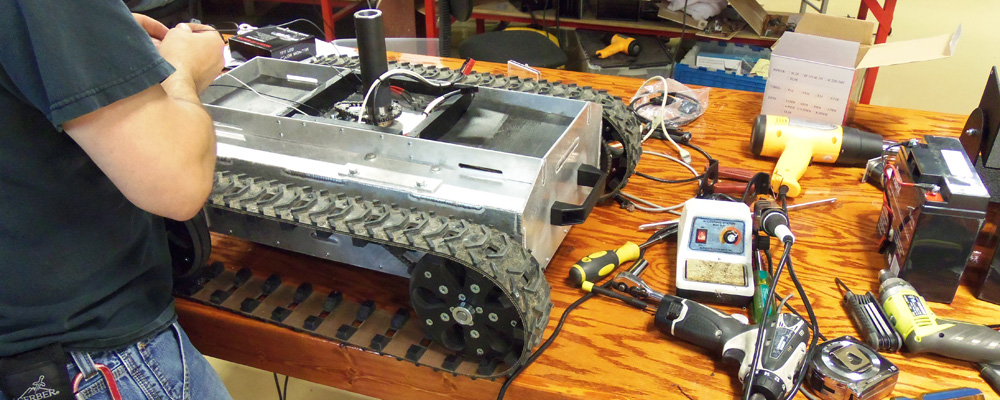
We've shipped a lot of robots. When orders stack up, assembly and testing crowd our shop floor. PitStop is how we keep builds moving: we send parts to certified builders across the U.S., they put the robot together and run our tests, then ship the finished unit back to us.
The same crew takes repair jobs when our own bench is backed up.
SuperDroid PitStop is a network of engineers and technicians across the U.S. that we've certified to work on our robots. They aren't SuperDroid employees, but they know hardware and they like building robots.
You'll need space for a mid-size robot for a week or more, basic hand tools, a multimeter, and a way to take clear photos. We train you on our platforms and provide support during the build.
Most PitStop work is building new robots. We pack the kit (parts, fasteners, and build docs) and ship it to you. You assemble to our instructions, run the test checklist we provide, and send photos and test results. Then the finished robot ships back to SuperDroid for review.
If it passes our check, it goes into fulfillment. If not, it comes back to you with notes. Shipping both ways goes through SuperDroid. Your work is paid on a 1099 contract basis.
Builds use the same parts we use in production. You're following our process, not inventing one. We need robots that match what we'd build in-house.
Our robots work in tough conditions (as they're designed to), so they sometimes need TLC. We want them back in action quickly, but our team often has a backlog. Custom parts and complex assemblies can make in-house repairs pricey for the customer too.
PitStop repairs go to a certified member for diagnostic work and the fix itself. Estimates for time and materials go to the customer through us with no markup. Shipping runs through SuperDroid. Repair work is paid on a 1099 contract basis.
Customers who need a repair start on our robot repair service page.
PitStop work is 1099 contract work. You take jobs when you can, through our process, and keep more say over when and how much you work than a fixed schedule allows.
If you care about technology and want time on production robots (not classroom kits), this is a direct way in. You learn our platforms, assemble and test units that ship to customers, and pick up resume experience that says you worked on commercial robotics hardware.
Engineers, techs, students, and hobbyists who want more robotics in their week without relocating for a factory job are who this is for.
Tell us where you are, what you've built, and how you work. We'll follow up by email if it looks like a fit.